Essential fly fishing gear for beginners: What you need (and what you don't)
There are only four pieces of essential fly fishing gear you really need to get started.


Like many fly anglers, I have GAS. And I have it bad. No, not the gas station food pyramid kind. I'm talking Gear Acquisition Syndrome. I accumulate too much fly fishing gear.
I go way beyond the essentials that you need to put together a bare minimum kit. I'm always willing to throw a few dollars at whatever impulse purchase item that a fly shop may have near the register, resulting in a bin of dusty bits and bobs that just don't get used. And, dear reader, I'm here to offer you a word of warning when it comes to getting the right stuff.
If you're new to fly fishing, you're probably wondering: "What gear do I actually
need to get started?" In short: Less than you think. I put together this comprehensive guide to make clear what's absolutely essential, as well as helpful additions, with specific recommendations and realistic budget ranges to get you on the water without breaking the bank (or falling into the gear acquisition trap).
Don't repeat my gear acquisition mistakes
Fly anglers often describe bait fishermen as "gear" anglers. But there's no lack of flashy fly fishing gear available. Getting started on your fly fishing journey is exciting, but figuring out what gear you need can be overwhelming.
You don't need all of it. And, a lot of what's marketed as fly fishing-specific equipment can be stuff with other uses that you repurpose. Take, for instance, your first pair of nippers. They can be the nail clippers in your medicine cabinet. Keep those around until you really need a pair with a straight jaw and a hole for a zinger clip. Then, maybe upgrade to the cheapest kind you find at the fly shop. I have a handmade, hand-me-down fly tying kit with bodkins and whip finishers made from old dental tools.
The sky's the limit: you can spend $320 on nippers. I am not joking. Or you can use the ones you already have. Choose wisely.
As far as essential fly fishing equipment, there are really only four things you need. The rest you can add gradually. Remember: once you have these basics, good fly presentation and drag-free drift will catch more fish than the fanciest gear.
Essential fly fishing gear
- A fly rod
A rigged rod (including a reel I guess, if you're too cool for tenkara) is fundamental. That includes a rod, reel, backing, a fly line, and a 5x leader. - Some flies
A dozen or two flies spread across dries, nymphs, wet flies, and streamers should do. - Extra tippet
A spool or two of spare tippet. 5x is a good place to start. Tippet is what helps us not having to cut pieces off our leader every time we re-rig our flies. - Something to cut tippet with
Nippers (The aforementioned nail clippers will do.)
That's it. That's really all you need. Learn your knots. Wear polarized sunglasses or some sort of eye protection. Figure out how to release fish carefully without a net. (Or bring a net) Bring a raincoat and a snack. Get out there.
The complete fly fishing beginner's gear list:
ABSOLUTE ESSENTIALS ($200-400 total):
□ Fly rod (a 9-foot, 5-weight is what I recommend) loaded with
□ Reel with backing
□ Fly line (weight-forward [WF] floating)
□ Leader (9-foot; 4X or 5X)
□ Basic fly selection (a dozen)
□ Tippet material to add to the end of the leader (4X or 5X)
□ Nippers or scissors to cut line
Bring along a pair of polarized sunglasses to help you see the water, and you're good to go. All this will fit in your shirt pocket. Stick a snack in there, maybe.
If you need a refresher on how any parts of the fly line fit together, here are a couple of helpful articles on how all the different parts of the rod and reel (backing, fly line, leader, and tippet) fit together and all the esoteric measurements fly gear manufacturers use, and fly size charts, to help everything match up right.
 Nick Parish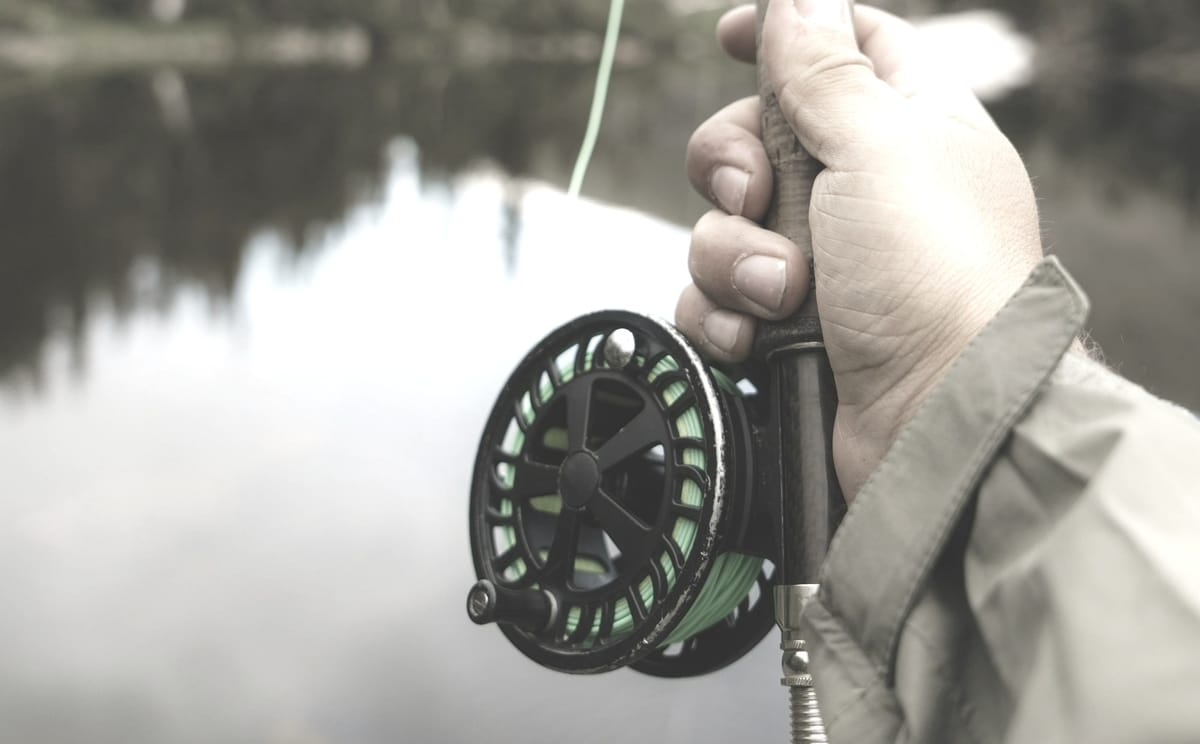
 Nick Parish
Optional fly fishing equipment
- Everything else
I'm being a bit facetious, but you get the drift. You'll eventually need another leader, and then another, and then a leader wallet. Or a box to hold all your flies. Maybe a net will come in handy. You might even opt for waders like a civilized, warm-legged person. But for now, you don't need much to get started.
The more you worry about having the right gear the less time you're spending on the water, building your fly fishing practice through experimentation and practical learning.
HELPFUL ADDITIONS ($100-200):
These are all nice-to-haves, that you can find easy substitutions for fly fishing specific gear around the house to save a few bucks.
□ Fly box or fly storage (plastic pill case, if you're pinching pennies)
□ Net (optional but helpful)
□ Waders or galoshes (you can always wet wade, or wear Chaco- or Teva-style sandals)
□ Wading staff (or find a good streamside stick)
□ Vest or backpack / waist pack to put stuff on (you already have one of these)
Choosing your first fly fishing rod
Whether it's in our Intro to Fly Fishing classes, or on the Fishcord (our members-only fly fishing Discord community), probably the number one question I get is some variation of "Should I buy this rod?" (e.g. "What fly rod should I buy?" or "Does this look like a good deal?" or "Do you think this thing on OfferUp is real / this person will murder me?") Bottom line: There are more places to buy fly rods than ever before. There are more brands manufacturing new fly rods. There are more places to find them used (like OfferUp, or Marketplace, or even specialty fly tackle resellers like CastBack).
As far as what size / weight / length, that's easy: Buy a 9' 5-weight. This is the most versatile rod you can own, across trout, bass, panfish, etc. It'll be the rod you get started with, and the rod you go back to for the comfortable, fun style of fishing that works just about anywhere. Trust us on this one. Eventually you'll have a whole quiver of rods for just about every possible application, but that 9' 5-weight is perfect for learning. If you have a choice of rod action, go with a medium or medium-fast action rod. It's ok that you don't know what this is right now.
You can generally get into a quality all-around setup (that'll last a few years) under $300. You can get an outfit that'll last a few decades for under $500. The big determining factors now should be your budget, and how long you think you'll stick with the sport.
If you're ready to stick with it:
If you're committed, and know you're going to be doing this for a while, buy an Orvis Clearwater. It's a great beginner rod, has a solid warranty, and will still be fun to cast when you're got a few years' experience under your belt.
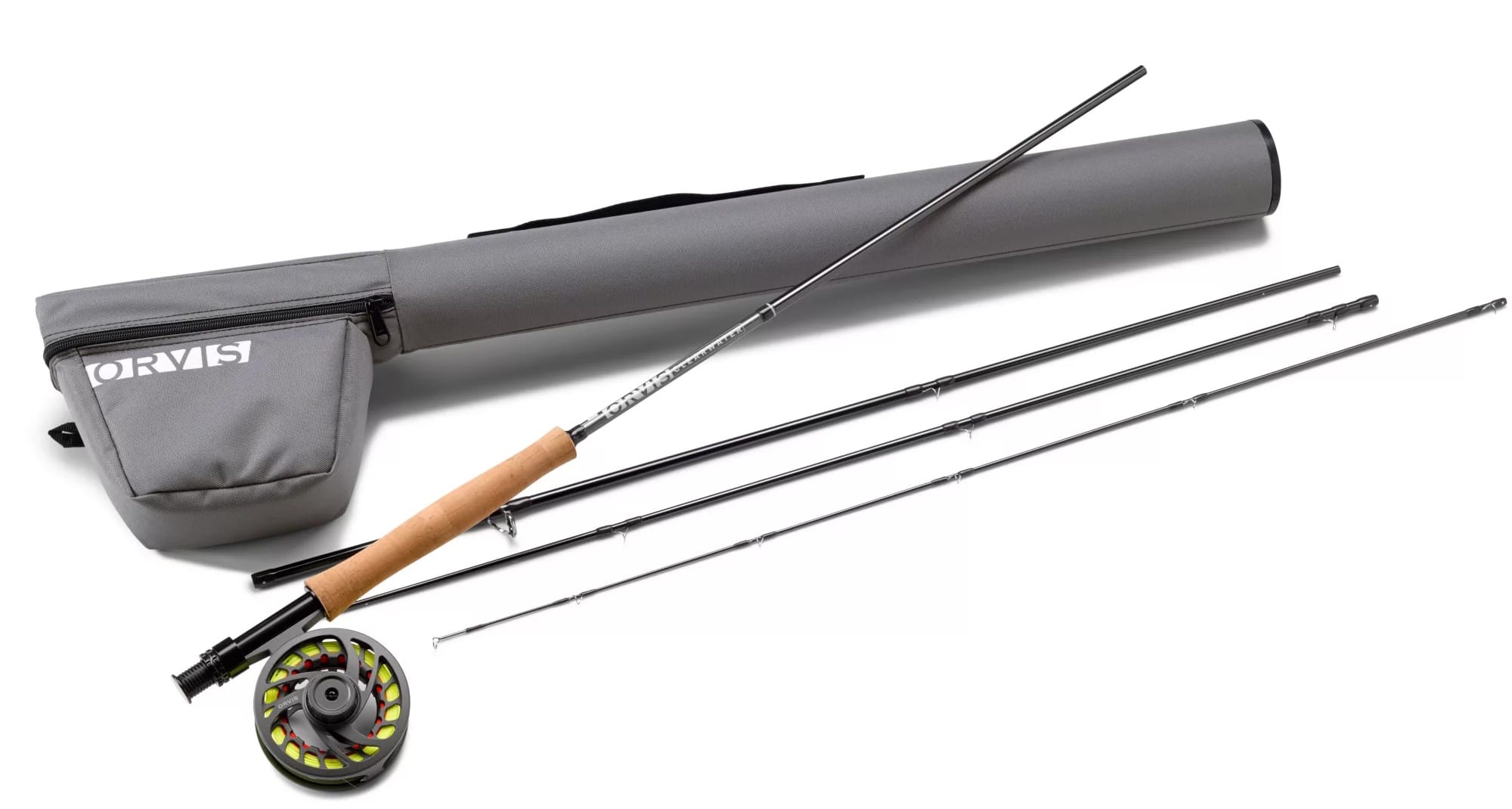
Orvis Clearwater outfit
- Quality build to endure hard beginner use
- Room to grow as you become a better caster
- 25 year warranty / repair policy
On a tighter budget:
If the dollars just aren't there, Go for an Echo Lift Kit outfit, usually under $300. I fish a few specialty Echo rods and appreciate the fast service turnaround time. While the warranty isn't as comprehensive as Orvis, Echo is really good at getting replacement parts (namely rod tips) out to folks ASAP.
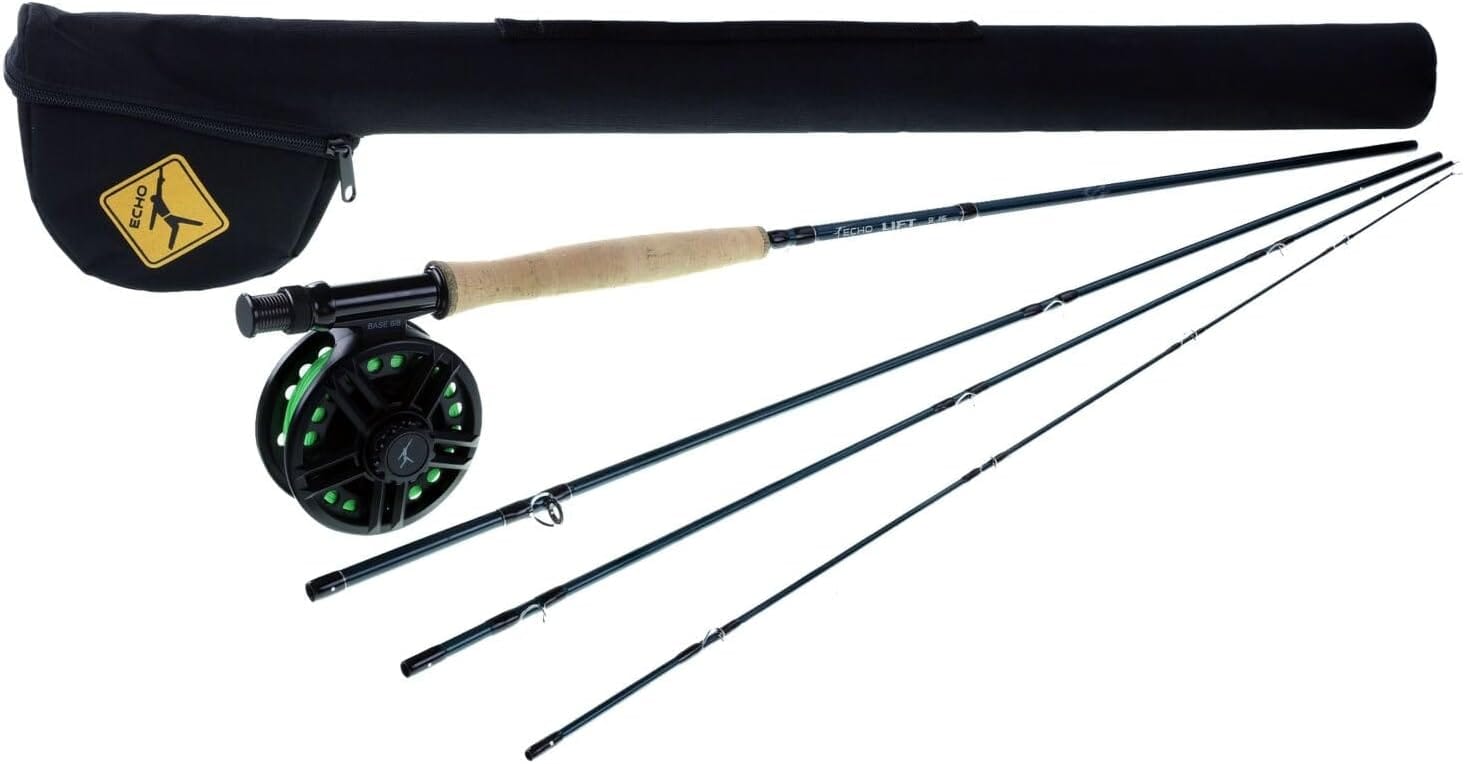
Echo Lift Kit outfit
- Budget-friendly pricing
- Lifetime warranty / repair policy
- Easy, local repair service to the PNW
Here are more of our "just buy this one" justifications for both rods, as well as one bonus rod, for those ultra-minimalists, in our ultimate "how to buy your first fly rod" guide.
There are a couple things to avoid here. Don't go for ultra-cheap combo sets. Don't buy Amazon or CostCo brands. Plan on spending over $200. If that means setting a budget and saving up, good. That's useful discipline for the rest of your fly fishing life, where you're going to be buying more and more expensive equipment and tackle, even if you are a minimalist. You also don't want to mess with fiberglass or "fast action" rods at this stage. They will be easier to cast in the short term, but will not help you develop the feel you need to develop in order to load the rod effectively. And don't bother with specialty rods (two-handed/spey, Euro nymphing rods, streamer rods). Just get a trusty, reliable, 9' 5-weight.
Fly fishing reel basics
If you're just getting started in the sport, and will be fishing for freshwater fish (except maybe the big ones), I'm going to make it simple for you: Don't worry about your reel. It's just there to hold line.
When you get a little further along, you'll have reels with replaceable spools for different lines, and might even need reels with actual drag, for fighting larger fish. But, for now, don't sweat it.
Understanding the relationship between fly line, leader, and tippet
It all needs to match up, at least in the same ballpark. Read this:
 Nick Parish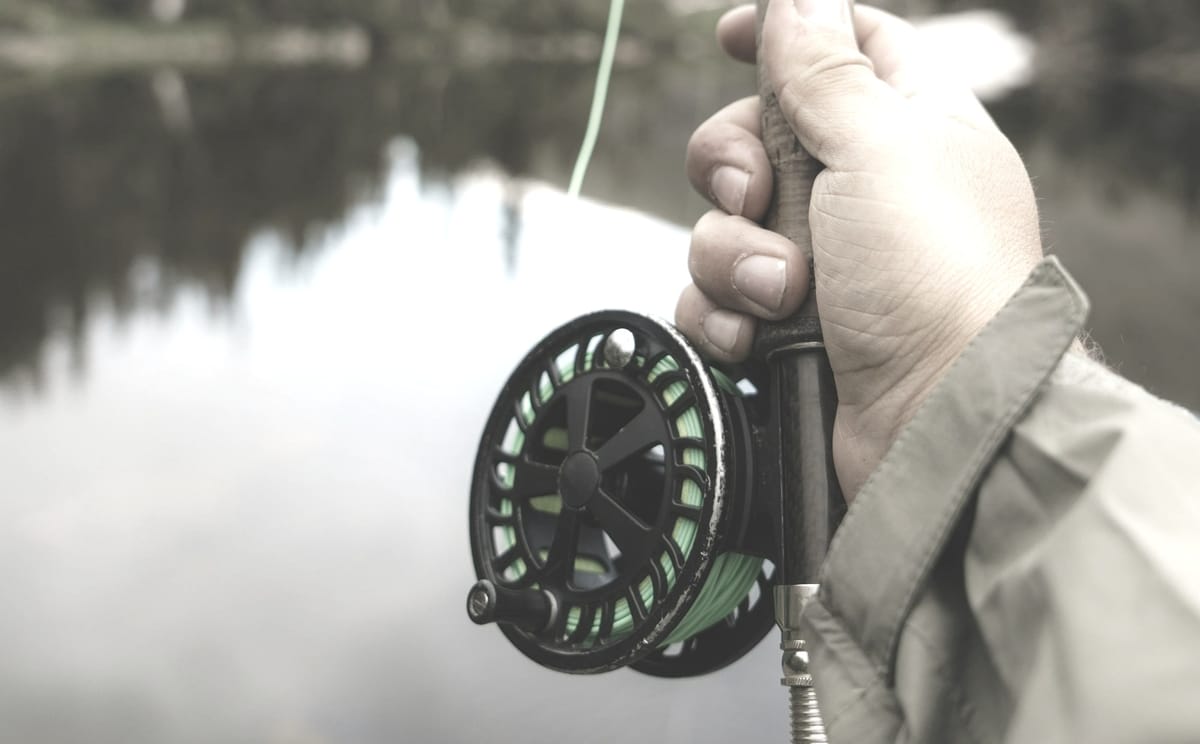
Keeping things in perspective
Don't let gear acquisition overshadow the real goal: enjoying time on the water and learning the art of fly fishing. As you progress, you'll naturally discover what additional gear is necessary for the kind of fishing you want to do.
I've seen many experienced anglers ultimately ditch much of their gear, sticking only with a few favored rods. Same with fly-tiers; some ultimately focus on around a dozen patterns that work the best for them:
The more you know, the less you need.
So focus on getting that foundational knowledge, and go from there.