Learn fly fishing: CFS' complete beginner's guide to getting started
Whether you're completely new to fly fishing or looking to improve your skills, this directory of all the main articles from Current Flow State has everything you need to learn about fly fishing, and be successful on the water.

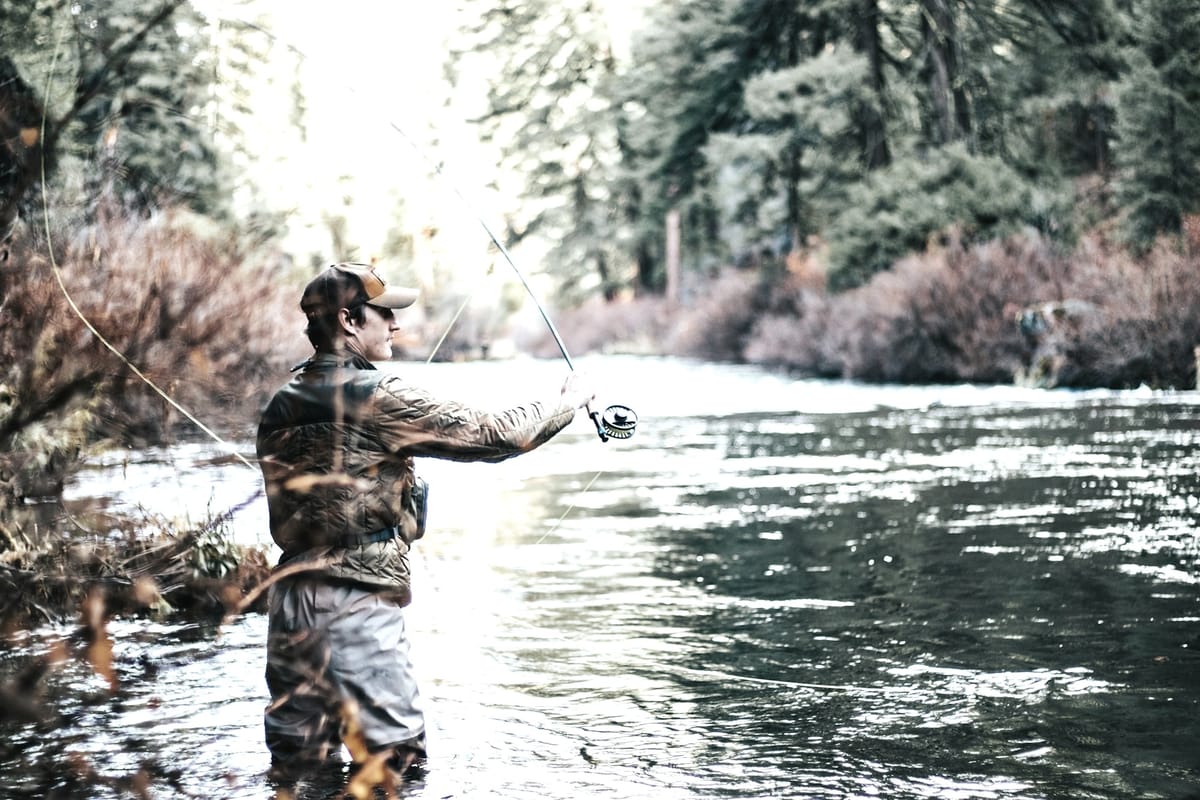
The complete CFS guide to learning to fly fish
Learning fly fishing can seem overwhelming at first. It's a bit like the tagline on the classic board game Othello: "A minute to learn, a lifetime to master."
But with the right guidance, and a little bit of time on the water, anyone can make moves toward master this rewarding, life-long sport. Whether you're completely new to fly fishing or already an angler and looking to improve your skills, this comprehensive guide covers everything you need to go from absolutely beginner to confident explorer.
This directory contains all the main learning resources you need to be successful on the water. From understanding what fly fishing is to mastering advanced techniques, we'll walk you through each step of your fly fishing journey.
New to fly fishing? Start with our What is fly fishing? guide, then move to Essential gear for beginners to understand what you need.
Ready to improve your technique? Check out our technique guides and casting fundamentals.
The learning library is constantly growing. Bookmark this page and check back regularly for new guides and techniques.
Getting started fly fishing
There are a couple key moments when you're first learning to fly fish: that first time venturing out to a river or lake, and the trepidation and self-doubt it entails. Can I do this? Will somebody tell me I'm not doing it right? Then, there's likely to be some sort of wardrobe or equipment malfunction. Maybe you'll slip and get wet. More likely, you'll get your tippet and leader tangled up. Hopefully you won't hook yourself with a fly (but, it happens to all of us at some point).
Here are a few key articles that it'd be good to read as you get going, at the very beginning:
- What is fly fishing?: Let's start with the basics, including some fundamental definitions around how fly fishing differs from other angling methods (like spin fishing, and bait fishing). Then, we'll talk about the various techniques and methods key to fly fishing, and finally, the sub-hobbies that make fly fishing a lifelong sport and integrated with other pursuits.
- Five reasons to start fly fishing: Why you'll love this sport. The itches fly fishing scratches, and how time spent doing it can feel restorative and valuable. Tapping into these key reasons will help you understand why millions of anglers are passionate about this sport, and what fly fishing can bring to your life.
- Essential gear for beginners: There's a perception that you need a lot of expensive gear to get started fly fishing. I don't think that's true, and one of my major goals to to help people get started without needing all the equipment. This article details what equipment you actually need to get started fly fishing (and what you don't), before you go out and spend a ton of money.
- How to not look like an idiot when you're learning to fly fish: It can really feel intimidating to try something new, in public. And there's something about the in-your-face ridiculousness of fly fishing that makes everyone self-conscious when starting out. Here's how to build confidence and start out even though you're nowhere near an expert.
- Fly fishing Pillar: Mindset: More articles on adopting a mental approach that will make all the difference in your angling success.
Fundamental fly fishing skills
Once you understand the basics, these guides will help you develop core competencies every successful fly angler needs. You should be able to understand how all the parts of your tools (chiefly, your fly rod) work together, and how to rig your rod, to replenish your tippet, to tie on flies, and experiment with different rigs. You should be able to read water, and understand where to look for feeding fish, what they look like, and how you might present a fly to them. You should be able to choose the right technique to approach fish, based on whether or not you can see them.
- Understanding your fly rod and all its parts: Your rod is your first fly fishing friend. But, it's not always intuitive what connects where. Here's where we explain how all the different elements—rod, reel, line, leader, and tippet—work together.
- Understanding the environments fish live in: Let's start here, with the environments fish live in. Where and how to find fish in rivers, lakes, and streams is a fundamental fly fishing skill. This guide will help you break down rivers and lakes into the most likely areas to find fish.
- Casting, presentation, and technique: Once you've got the basics around the gear and the water that are best for fly fishing, it's time to get started with delivering flies to fish in the right way. You could devote an entire book to presenting flies properly, and some have. Master the core skills in the Technique Pillar that actually catch fish to give yourself your best shot.
 Nick Parish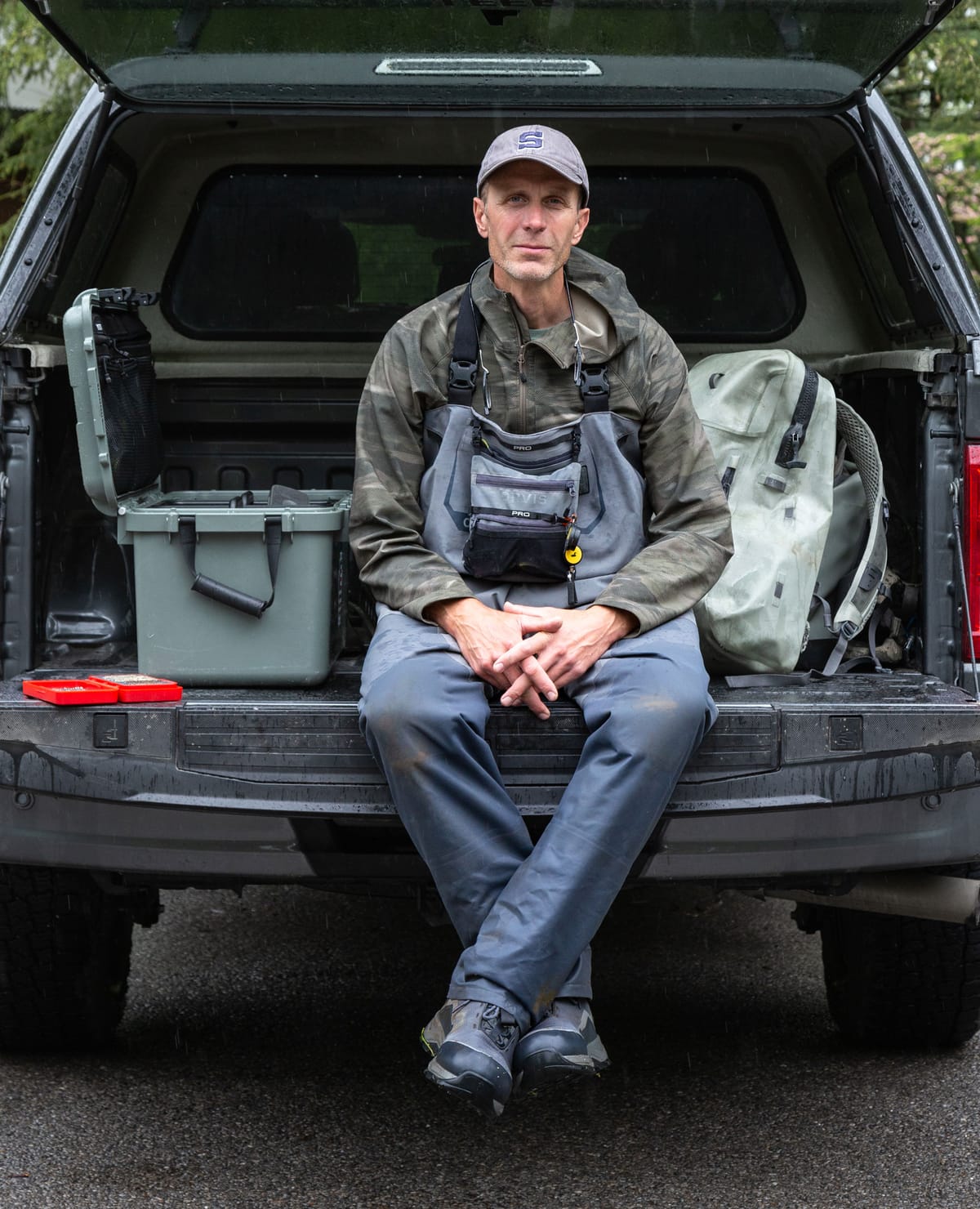
Take it from George!
Advanced fly fishing topics and techniques
Once you've started to get your literal and metaphorical feet wet, new things you need to know will arrive fast and furious. Here are some more advanced topics to dig in to.
- Scouting new waters: Scouting is one of the great adventures of fly fishing. Finding fishing spots that are accessible, legal, and (hopefully) have fish nearby is a minor art. Here are our key elements.
- Stalking trout: We can all take a lesson from Dapper Don's methods of stealth in trying to find big fish. Close-range, stealthy fishing for big brown trout using traditional dapping techniques.
- Swinging wet flies and soft hackles: Advanced methods to add life to a swung wet (or dry) fly, including the Leisenring Lift.
- Measurements across line weight, hooks, tippet, and more: By now you've figured it out. The different sizing across hooks, fly lines, tippet, and fly tying thread make no sense. We wade up to the tip of our waders to understand how they're connected, and how to not worry so much about where they aren't.
Overarching fly fishing topic areas
Here's a broad organizational array of all the different topic areas, our Learning Pillars:
- Technique: Illustrating all the various methods fly anglers use to catch fish.
- Gear reviews Honest evaluations of what gear is helpful (and what's worth avoiding).
- Conservation: Protecting our imperiled waters from issues like pollution, privatization and restricted access, fish passage, and more.
- Mindset: Fly fishing as a mental game.
- Learning Resources: Educational content and guides, presented in Pillar form
How long does it take to learn to fly fish?
How long have you got? You can learn everything you need to start fly fishing in an hour. But it can take years to build up the skills you need to execute a flawless cast, or find large fish in remote locations. And there are enough sub-hobbies and avenues of exploration in the sport to last a lifetime.
A realistic timeline for learning to fly fish:
Day 1: Basic casting and simple presentations. Lots of tangles.
First week: Catching your first fish on a fly. Fewer tangles.
First month: Exploring different water types and locations
First season: Understanding how to apply different techniques to water types
First year: Developing confidence, seeing a river or lake change over a year
Years 2-5: Mastering advanced techniques applicable to any water
Onward from there: There's always more to learn
This leaves a ton out: Developing your casting, building your library of flies, learning to handle fish, etc. There are a lot of skills that you need to internalize to learn to fly fish. The key is starting with fundamentals, building skills progressively, and finding support systems (ahem, us!) to rely on to help grow your knowledge. Most beginners catch their first fish within their first few outings with
proper instruction, but don't be discouraged if it takes you longer.
Learning to fly fish, speed run edition
Got some time on your hands, and want do all this immediately? Congratulations! You can absolutely learn to fly fish in 30 days. Follow these 30 micro-lessons to get things started with a bang, and to have the best month of your life:
 Nick Parish
Is it better to learn fly fishing by yourself, self-taught, or take classes with an instructor, coach, or guide?
Not everyone has the opportunity to take fly fishing lessons, or tap into in-person fly fishing instruction. If you're lucky, you might have an annual trip to a fishy location, or maybe even a once-in-a-lifetime visit to Yellowstone as your main chance to connect with a pro.
But the sooner you can tap into a learning cohort of some sort, whether it's a trip with a guide followed by engagement with your local club, or Trout Unlimited chapter, you're going to flatten your learning curve. Sure, you can learn fly fishing yourself. But starting from the learning mode of working with a pro to build a strong foundation and then adding to that, with some accountability, and a place to go to ask silly questions, is going to get you further, faster.
| Mode | Pros | Cons | Resources |
|---|---|---|---|
| DIY | Learn at your own pace; lower cost | Longer learning curve, bad habits | Gobble up info from books and online, fish and experiment |
| Pro | Faster progress; move quickly past common mistakes | Higher up-front cost | Take a class through a local fly shop or school, hire a guide |
| Mixed (Do this!) | Fastest learning | Still costs money | Combo of the above |
The hybrid approach is best, in my opinion. Start with basic instruction, or a guided trip, then use DIY resources and clubs—along with regular practice—to reinforce learning.
Whatever mode of learning you prefer, I hope that you'll poke around here on the site, or consider taking a class with us, or joining our membership community for more 1-1 instruction, answers to your questions, and a directed learning path.
𓆟 𓆝 𓆟