Six Tips to Start Urban Fly Fishing
"The Guide to Urban Fly Fishing" author Marc Fryt offers some hints to find fish near you, and a special opportunity for the Portland CFS crew.
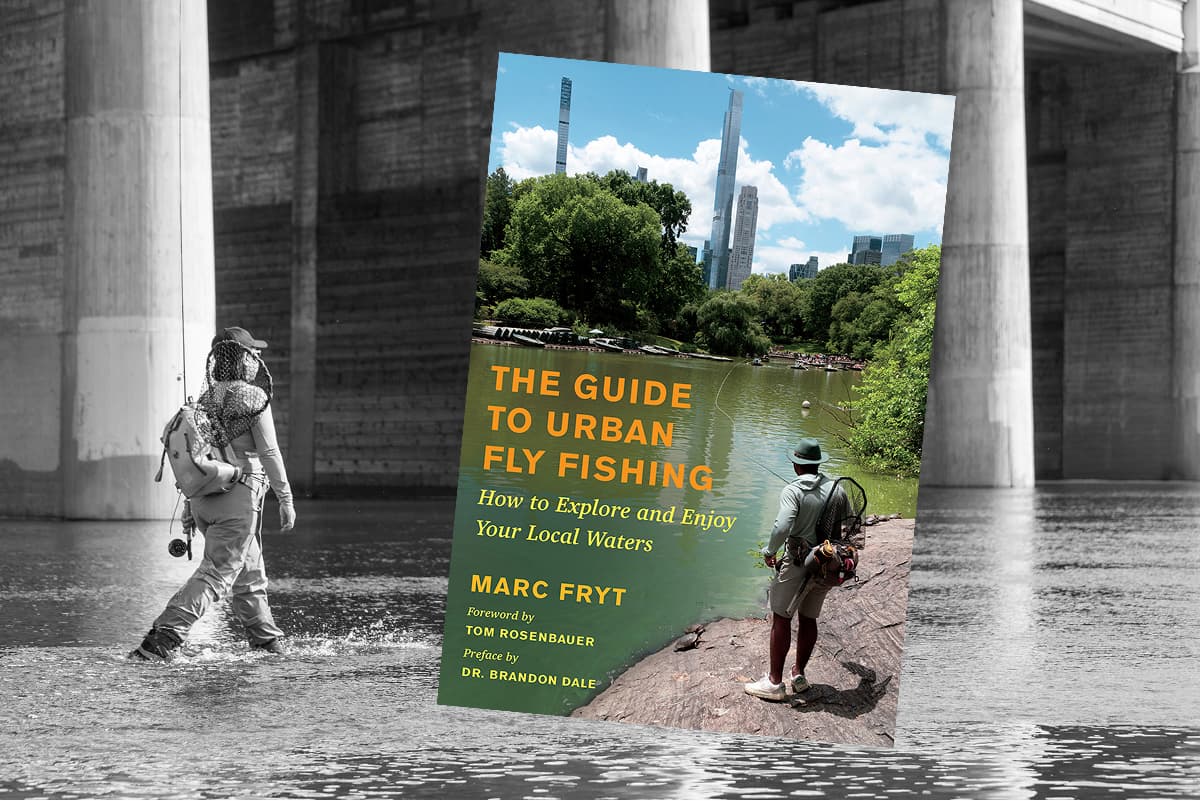
It was love at first sight: Bob Bartlett of Ubuntu Fly Anglers had a stack of books laid out to share with a group of PDX high schoolers at this year's TroutFest, and one grabbed my eye: Marc Fryt's The Guide to Urban Fly Fishing: How to Explore and Enjoy Your Local Waters
I ordered the book immediately, devoured it upon arrival, and it didn't disappoint. The Guide to Urban Fly Fishing is a compendium of not only fly fishing basics but all sorts of information specific to urban fisheries, including the various types of waterworks and infrastructure specific to city waterways, and species that typically call these more congested areas home.
Look: We should all be so lucky as to live next door to a river that holds our favorite species, but odds are, you, along with 80% of the world's population, live in a city, town, or suburb—which is often far from the perfect troutscape. In keeping with the mantra (and another great title) "the best fly fishing is everywhere," Fryt's 256-page book serves as a primer for anyone thinking "There's a river right here, do I really need to make that big drive to the trout stream to catch fish?"
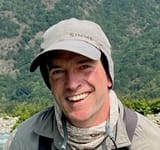
I caught up with Marc, who guides anglers on urban forays in Spokane, Washington, for our Six Tips To Start series.
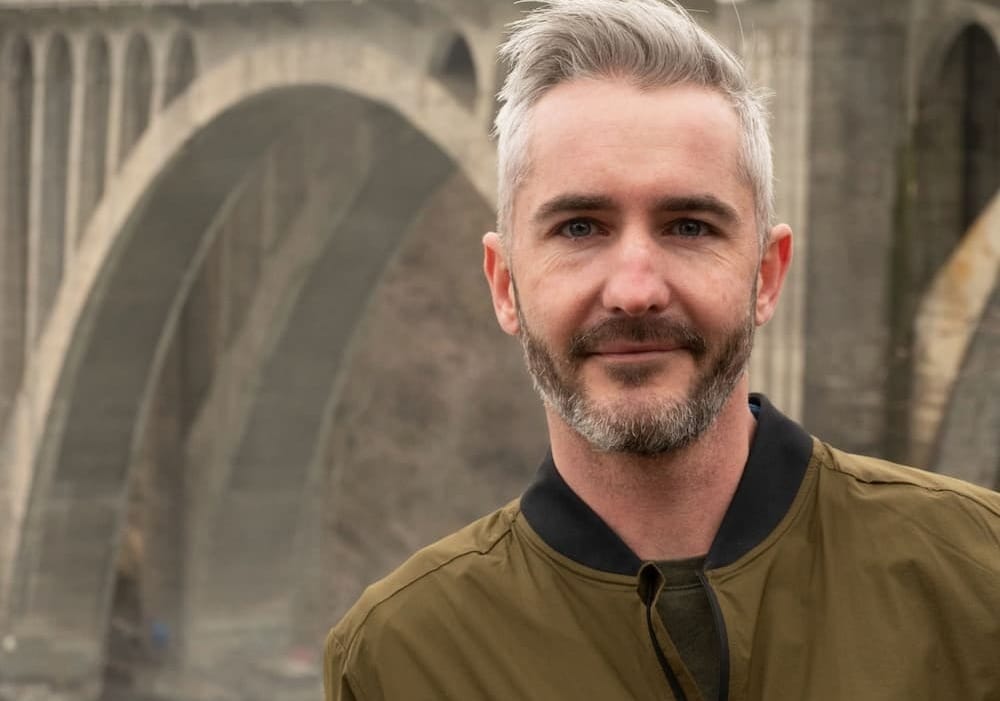
Special event: PDX Urban Scouting with Marc Fryt
Now here's something even more fun. If we can get enough interest from the CFS PDX massive, Marc will come down to Portland for a half-day tour around the PDX waterfront, and share how to employ his urban fly fishing strategies here.
Cost will be around $120 per person, reduced for CFS members, and include a free copy of The Guide to Urban Fly Fishing—a $30 value.
We're looking at Saturday, September 26 as a date. If this sounds like something you might be interested in, raise your hand by hitting this button or replying and letting me know.
If we can get enough folks to raise their hands, we'll lock in Marc and open the opportunity to register. 🖐️
Six Tips to Start Urban Fly Fishing
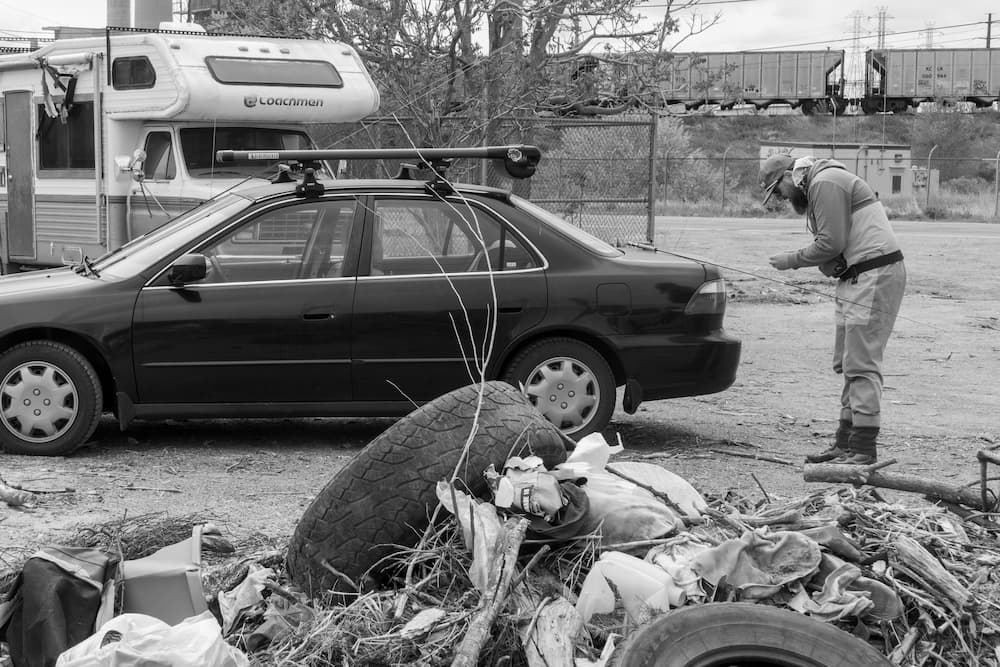
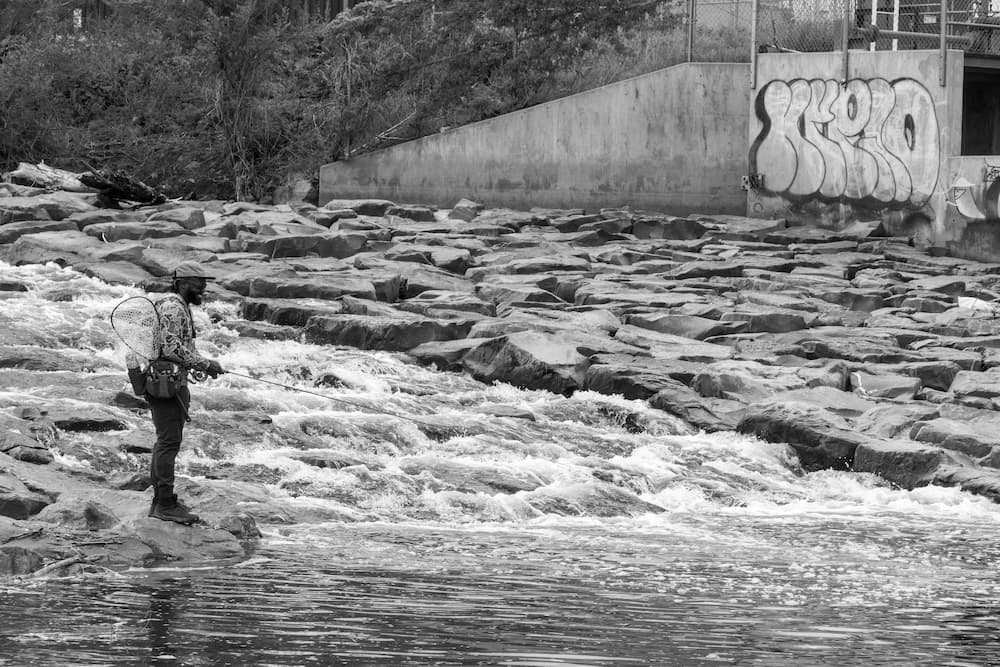
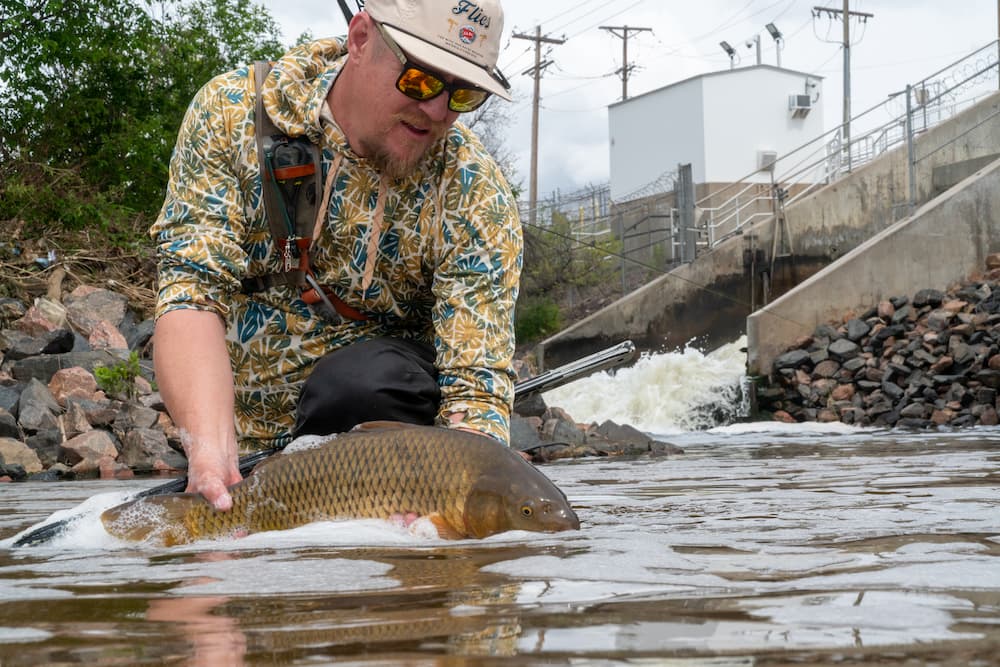
Rick Mikesell assembles his fly rod, and Nic Hall scouts for fish next to a drop structure, both along the Denver South Platte | 📷: Marc Fryt
Tip 1: Scout your city like an angler
Once you start reading water, it's hard to stop. It's not unlike what skateboarders call "skate gaze"—the sense of seeing the landscape not just as what it's meant to be, but the layer below it enabling your sport. According to Marc, you can start scouting from the very beginning. "You're in this puzzle, and you're trying to figure out those puzzle pieces in real time, before you even have a fishing rod in your hand," he says. Hop onto Google Maps and take a virtual cruise around town to find bodies of water. "Easy ones are city parks, ponds, even downtown areas along waterfronts, whether it's an ocean shoreline or a waterfront on one of the Great Lakes or a major river," Marc says. "Act like you have a fishing rod in your hand, and move around that space and see what you start to notice."
Tip 2: Use the gear you've got
There's no need to get fancy, Marc says. "If you already have fishing gear, use what you got. Start there. I've used all sorts of fishing rods in cities, and I've seen people use all sorts of fishing methods. So use what you have, and put some wear and tear on it before you feel like you need to go buy something else." There's a psychological upside to this, too. A cheap setup lowers the stakes, so you're more likely to actually strap it to your bike and use it, rather than worry about it getting beat up.
 Nick Parish
Tip 3: Be curious about why you're out there
Maybe it's a good way to decompress with buddies after work, or get a good walk in. Or maybe feel closer to the natural areas in your city. Finding your motivation can help unlock a broader purpose when the fish aren't playing ball. "Another big reason why I go fishing in my city is it helps me to kind of give back to these aquatic environments, to look after our 'other neighbors' in our city, fish being those neighbors," Fryt says.
Once someone sees you fishing a stretch of urban river, "it's no longer a backdrop, it's no longer just a piece of water control infrastructure," he says. "It's a living thing, and there are fish in there, and we can have a different relationship with it."
Tip 4: Use your flies, but in new ways
Spoiler alert: Urban fish don't always behave in the same ways pristine mountain stream trout might. But that doesn't mean you need a whole new fly box. You might be able to fish the flies you have, but in different ways. Marc loves flies that could be several different food sources. "They could mimic a small fish, or a leech, or a large bug."
His go-to examples for urban water: black woolly buggers, Clouser minnows, and even a classic trout dry like a parachute Adams repurposed for panfish, or carp keying on chironomids. "Use what you got, apply those, and apply them in different ways," Marc says. "So if you have a fly pattern that floats on the surface, and you're not catching any fish, allow that fly to sink, and then start pulling it underneath the surface of the water, maybe that will attract a fish."
Tip 5: Don't write off any water
From combined sewer overflows to channelized stretches of the Los Angeles River, urban fishing sometimes requires stretching the imagination. You may even have to pay a physical visit to find out if you can access certain water. "Keep the map as open as possible," Marc says. "You really don't know until you know."
Tip 6: Learn your local regs and access rights
Land ownership and trespassing are concerns in urban areas, so it pays to not only know the regulations for fishing in urban areas but also who owns what.
"Just being familiar with fishing regulations in your state" is a baseline, Fryt says. It helps to go beyond that with apps like OnWater Fish or OnX that have land ownership layers. "Water access is a very big topic, because there's really no comprehensive guide on water access for people in general, whether it's fishing or paddling or anything like that."
Learn more from Marc
On top of picking up a copy of The Guide to Urban Fly Fishing (or coming out to scout with us in Portland in September), you can find Marc on his website, The Triple Haul, and follow him on Instagram.
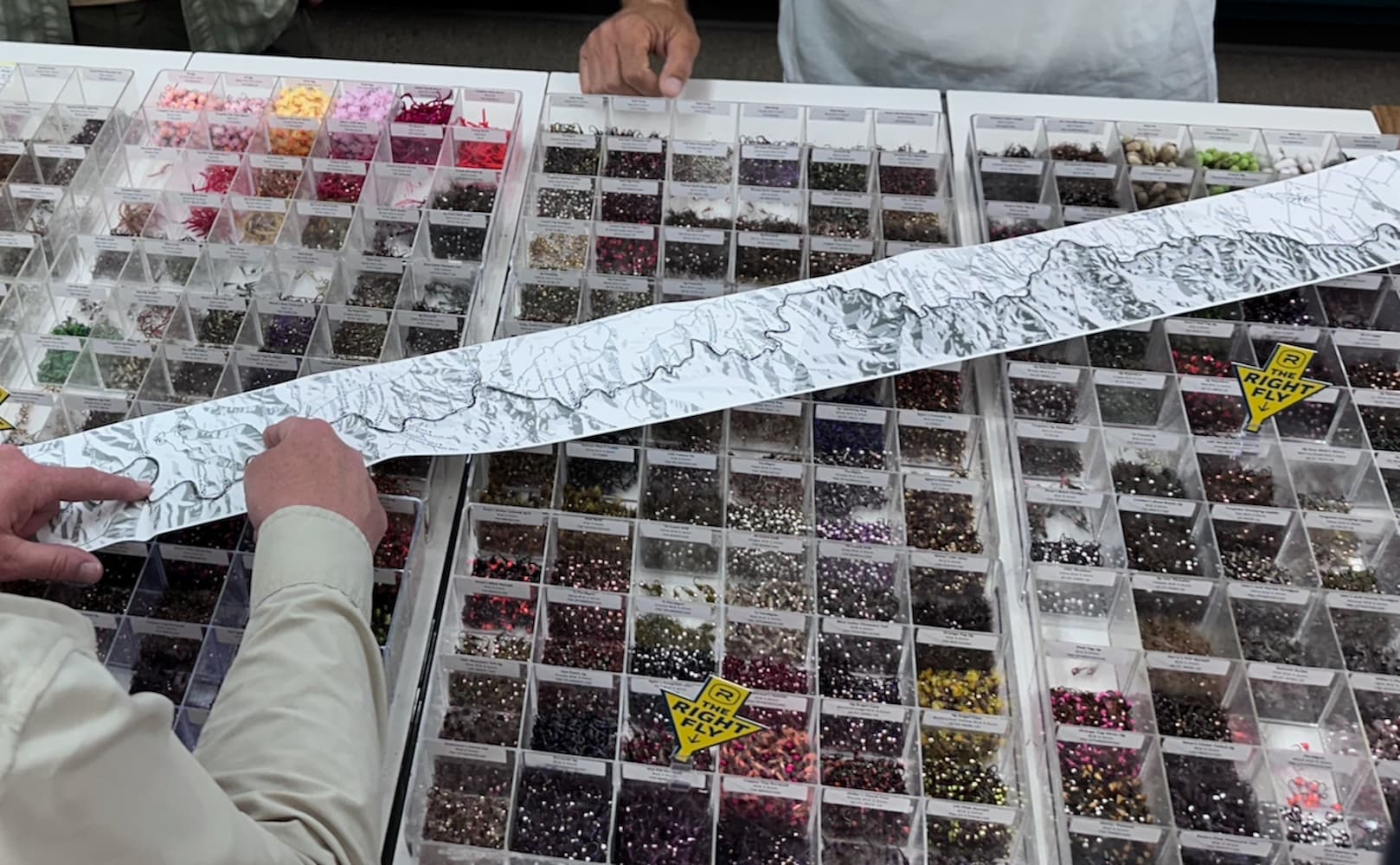
Six feet long, with hundreds of features, the Lower Deschutes Ribbon Map is your passport to adventure on one of Oregon's blue ribbon fisheries.
Ribbon maps have been flying off the shelves. Did you get yours yet?